
Diversified private education provider
Layered learnings
.jpg)
I was brought in as a freelance designer to support an agency tasked with rethinking the digital experience for a group of eight private education brands in South Africa. Each brand had its own identity, audience and priorities, but the ambition was singular: create a coherent, intuitive experience across the portfolio without flattening what made each brand distinct.
.jpg)
The challenge was less about redesigning websites and more about designing a system. One that could stretch across multiple brands, adapt to different contexts and scale over time, while still feeling considered and human at every touchpoint. We began with a brand that had recently refreshed its identity but whose website no longer reflected the needs of its audience. I started with a deep audit of the existing experience, interrogating structure, navigation and content flow to understand where friction lived and where clarity could be introduced. Best practice became a baseline rather than a destination, helping guide decisions around simplification and hierarchy.
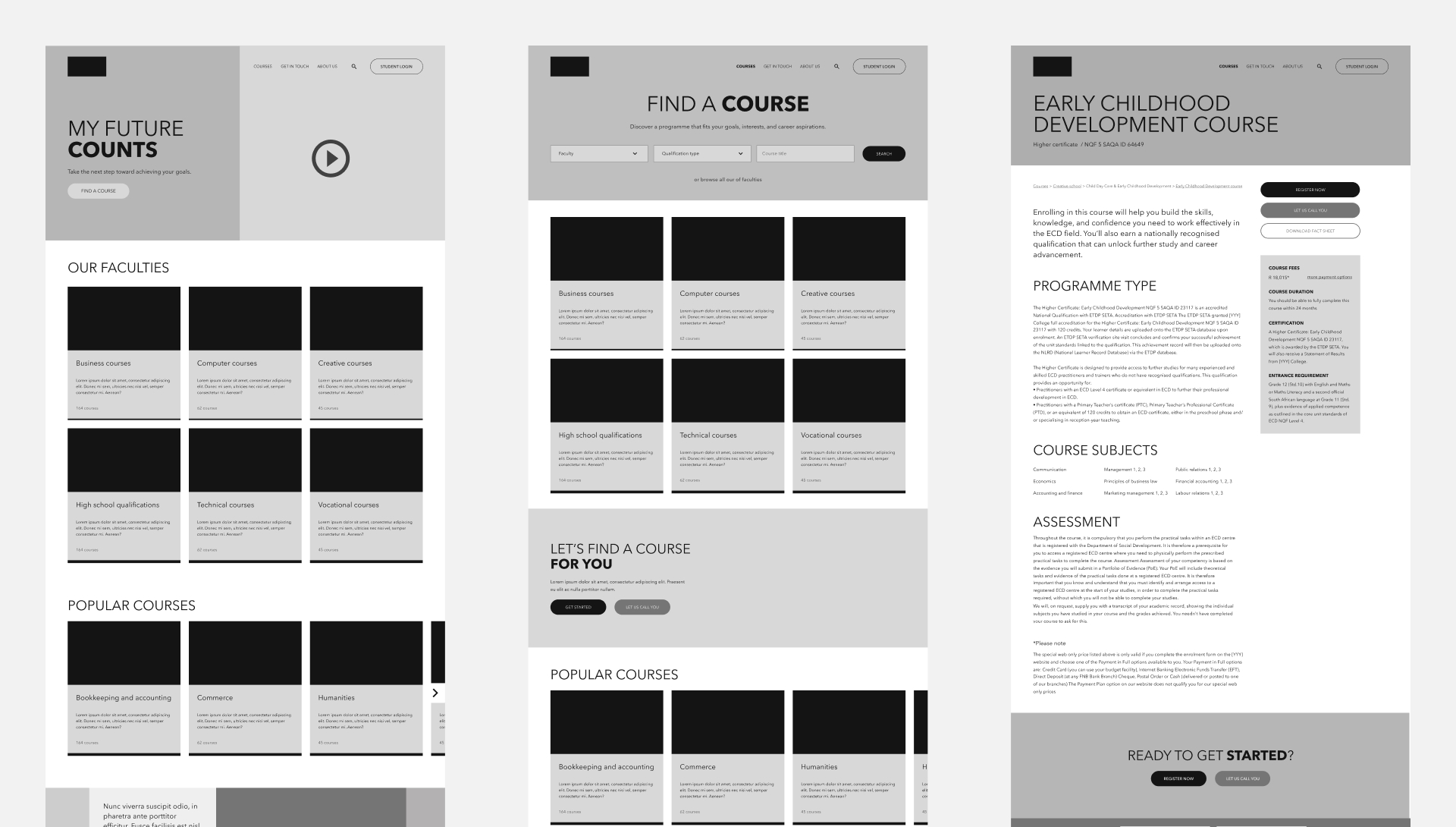

There was no user research or performance data to lean on. Instead, the work relied on pattern recognition, experience and a close reading of how the site asked people to move, decide and commit. From there, I mapped the end to end journey and translated it into a set of wireframes that defined key screens, flows and interactions.
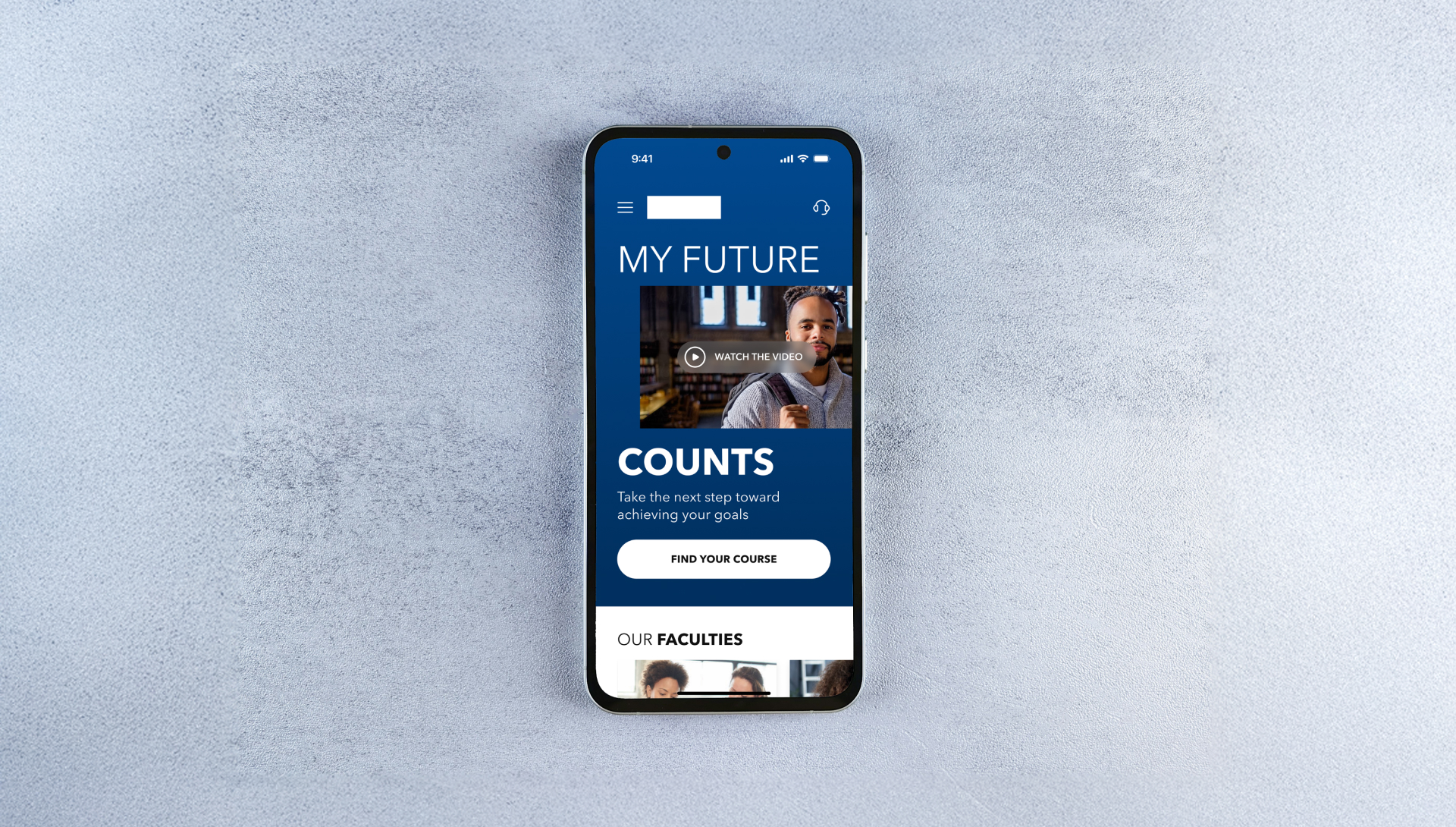
Every decision was made with reuse in mind. The goal was not a one off solution but a flexible framework that could be adapted across the remaining brands. I explored interface just enough to test hierarchy, layout and interaction patterns, giving the agency a practical reference point for future rollouts without locking the system into a single visual expression.
.jpg)
As priorities shifted, the project ultimately moved at a smaller scale than initially planned. Two brands received a full UX treatment and the first brand’s interface remained intentionally light. Even so, the work proved its value. The resulting journey maps, wireframes and design logic formed a blueprint for how a fragmented portfolio could operate under a unified UX approach. It demonstrated that coherence does not require sameness and that thoughtful system design can create clarity, cohesion and room to grow, even when applied selectively.
.jpg)
.jpg)
.jpg)